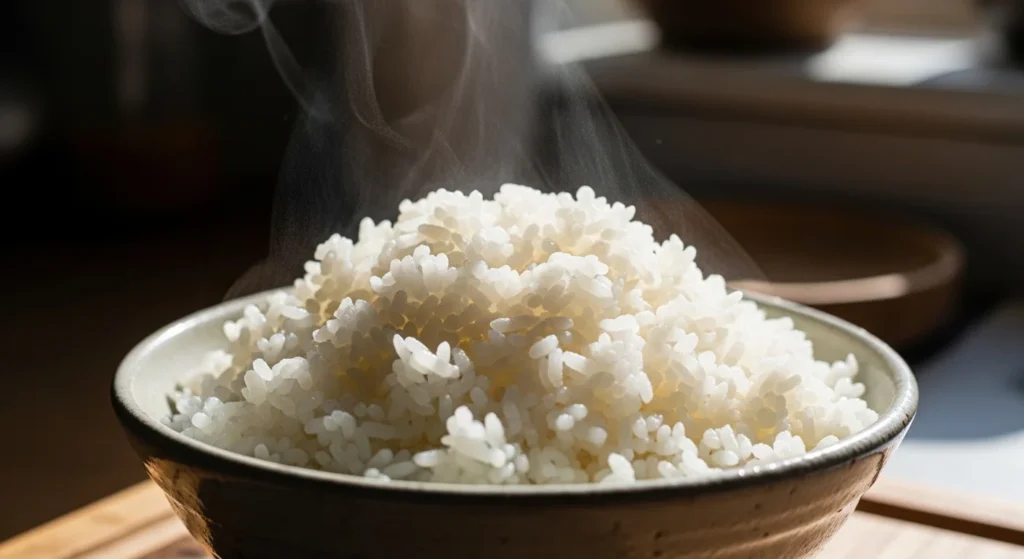
Perfect rice should be light, fluffy, and beautifully separated—not sticky, gummy, or clumped together. If your rice keeps turning mushy or gluey, the problem usually isn’t the rice itself—it’s the method.
With a few simple adjustments, you can cook rice that separates perfectly every single time.
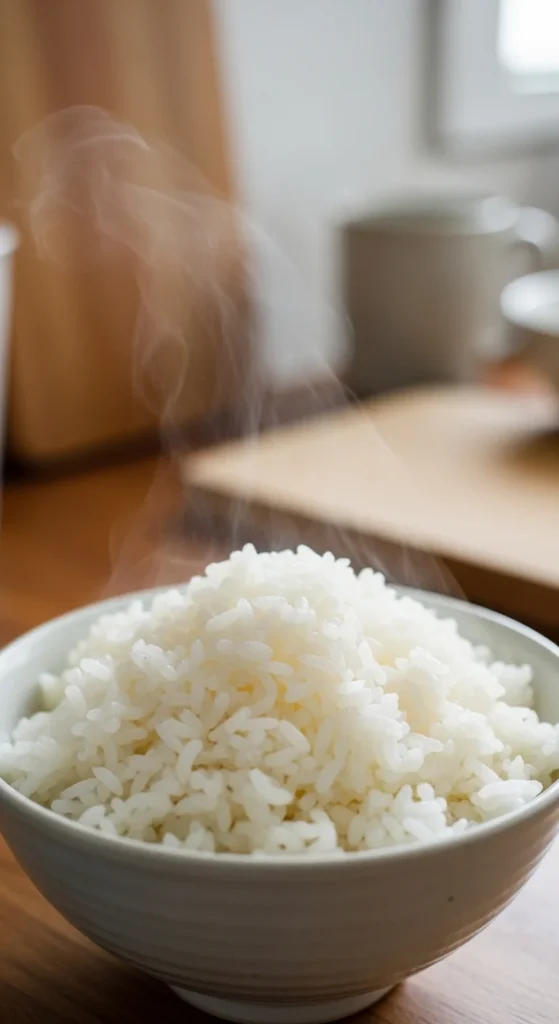
Let’s get into the exact steps that make all the difference.
Start by Rinsing the Rice Properly
Rice is coated in surface starch, and that starch is what causes grains to clump together during cooking.
How to rinse correctly:
- Place rice in a bowl or fine-mesh strainer
- Rinse under cold water
- Swirl gently and drain
- Repeat until the water runs mostly clear
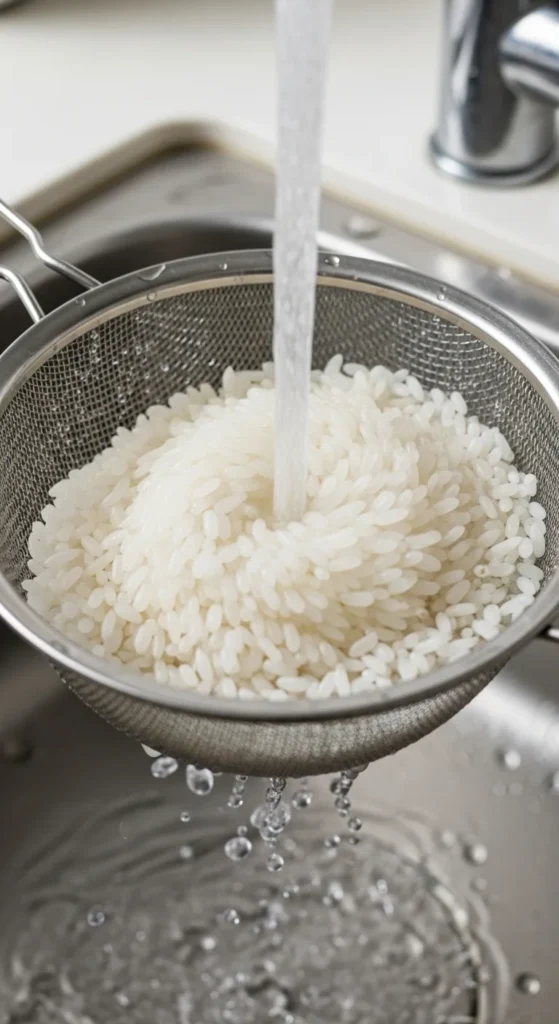
This step alone dramatically improves texture.
Use the Correct Water-to-Rice Ratio
Too much water leads to bloated, broken grains. Too little water leaves rice undercooked.
General ratios:
- Long-grain white rice: 1 cup rice : 1½ cups water
- Basmati rice: 1 cup rice : 1¼–1½ cups water
- Jasmine rice: 1 cup rice : 1½ cups water
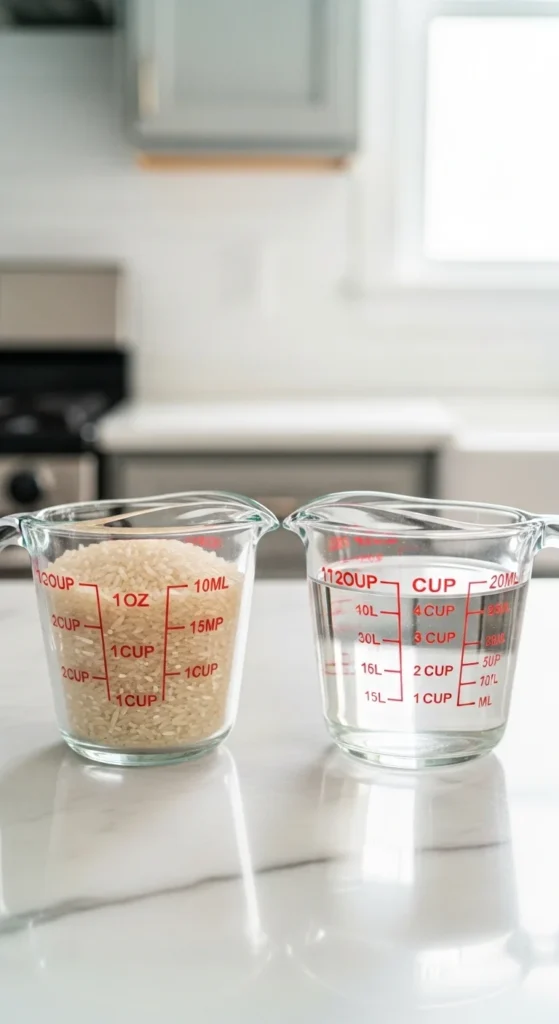
Measure carefully—guessing often leads to soggy results.
Choose the Right Pot and Lid
Rice needs steady heat and trapped steam to cook evenly.
Best setup:
- Heavy-bottomed saucepan
- Tight-fitting lid
- Medium size pot (not too large)
A loose lid lets steam escape, which affects texture and doneness.
Bring to a Boil, Then Simmer Gently
Cooking rice at a rolling boil the whole time breaks grains and releases starch.
Proper method:
- Combine rice, water, and salt
- Bring to a boil uncovered
- Stir once
- Cover and reduce heat to low
- Simmer gently until water is absorbed
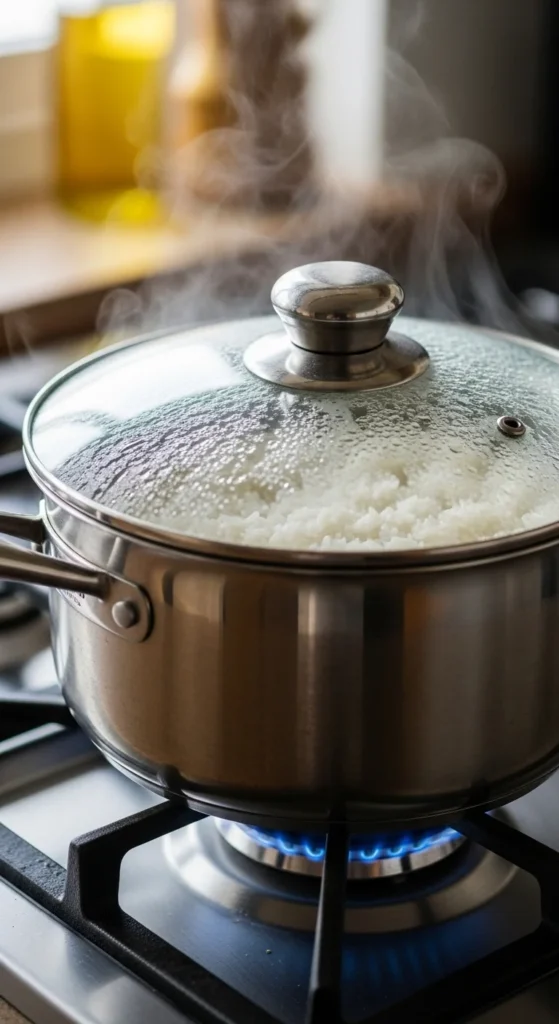
Resist the urge to stir while it cooks.
Let the Rice Rest After Cooking
This step is often skipped—but it’s essential.
Why resting matters:
- Steam finishes cooking the grains
- Moisture redistributes evenly
- Grains firm up and separate
Turn off heat and let rice sit, covered, for 10 minutes.
Fluff the Rice the Right Way
Fluffing separates grains without smashing them.
Best technique:
- Use a fork, not a spoon
- Gently lift and loosen the rice
- Avoid pressing or stirring aggressively
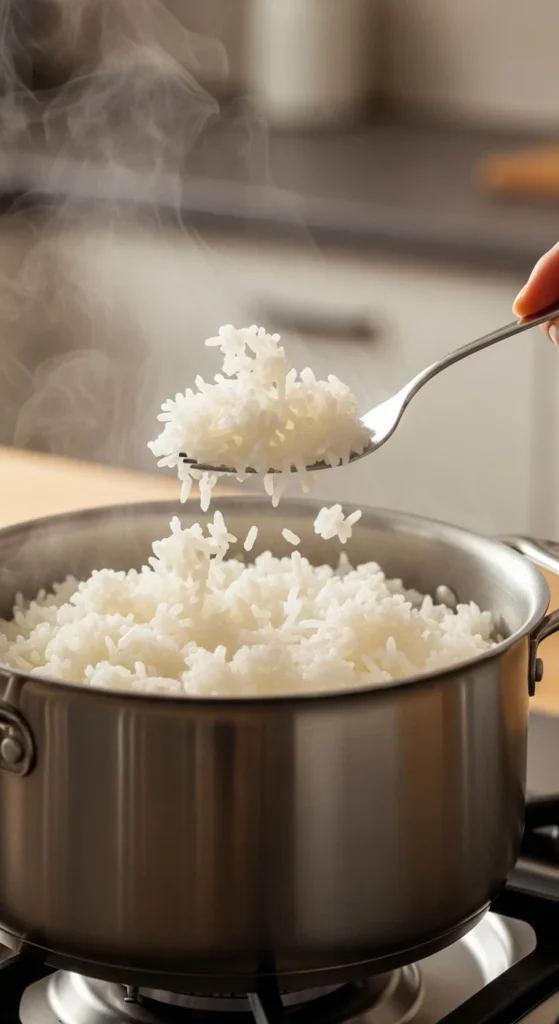
This final step creates that airy, restaurant-quality texture.
Extra Tips for Non-Sticky Rice
- Use long-grain rice instead of short-grain
- Add ½ teaspoon oil or butter to the water
- Avoid overcooking—even a few extra minutes matter
- For extra separation, spread rice briefly on a tray before serving
Final Takeaway
Perfectly separated rice comes down to three things: rinsing well, using the right water ratio, and letting the rice rest before fluffing. Master these steps, and sticky rice will be a thing of the past.
Save this guide for later, and enjoy fluffy, separate grains every time 🍚✨