How to Cook Eggs That Peel Cleanly
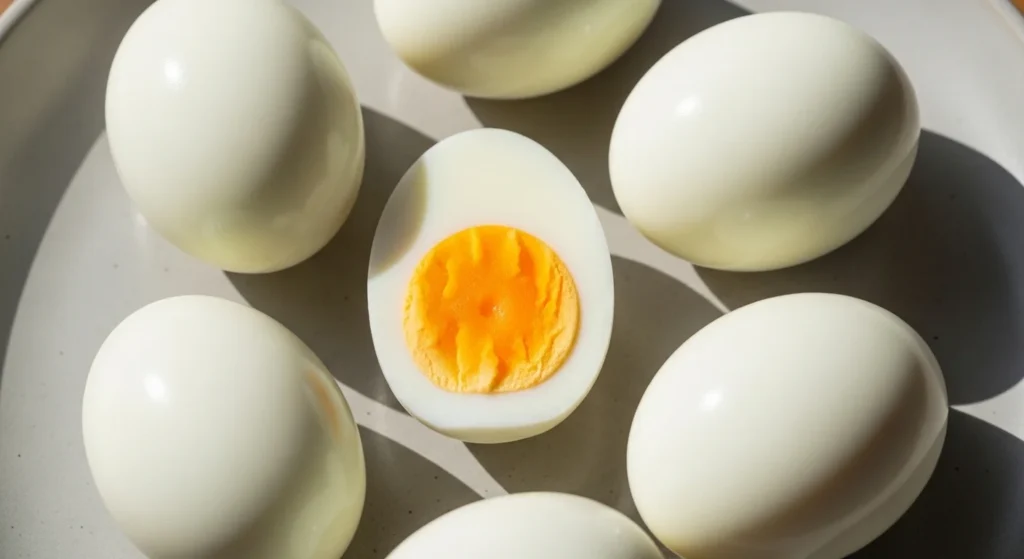
Nothing’s more frustrating than perfectly cooked eggs ruined by pockmarked whites and stubborn shells. The good news? Clean-peeling eggs aren’t luck—they’re technique. When you control heat, pH, and steam, the shell practically slips off. This step-by-step guide pulls together science-backed methods and kitchen-tested hacks so your eggs peel cleanly every single time. Step 1: Use the Steam Method(The Game Changer) If you remember one thing, make it this: steam beats boiling. Why steaming works: – Rapid heat sets the outer egg whites quickly – Whites shrink slightly away from the shell membrane – Less bonding = fewer divots How to … Read more
Tags:

How to Peel Garlic Without Sticky Fingers

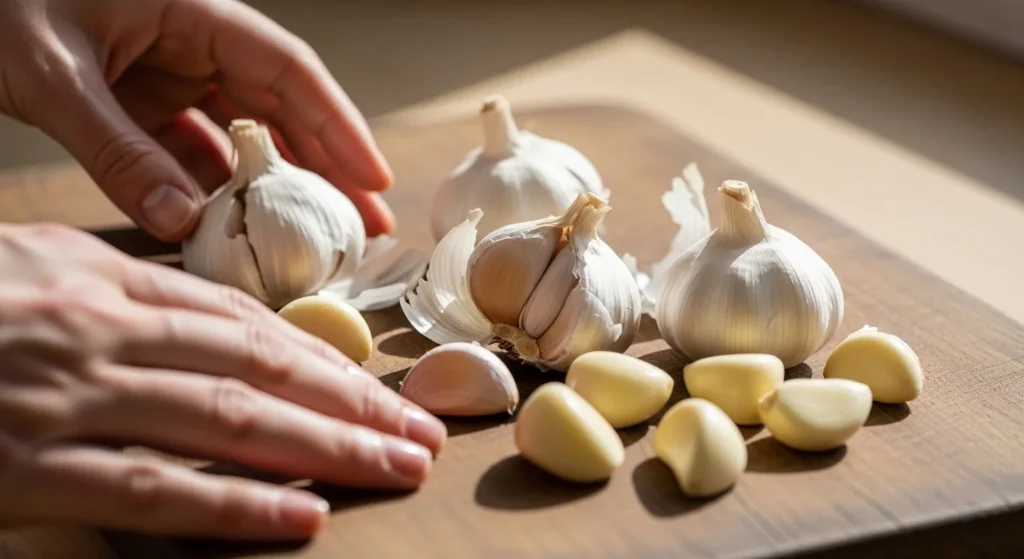
If you cook even semi-regularly, you know the struggle: peeling garlic leaves your fingers sticky, smelly, and weirdly hard to wash clean. The good news? You don’t need to suffer—or waste money on pre-peeled cloves. This step-by-step guide walks you through the best garlic-peeling methods, matched to how much garlic you’re using and how much effort you want to spend—all while keeping your hands clean and odor-free. Step 1: Match the Method to the Amount of Garlic The biggest mistake people make is using the same peeling method for every situation. What works for one clove is terrible for ten. … Read more

Tags:

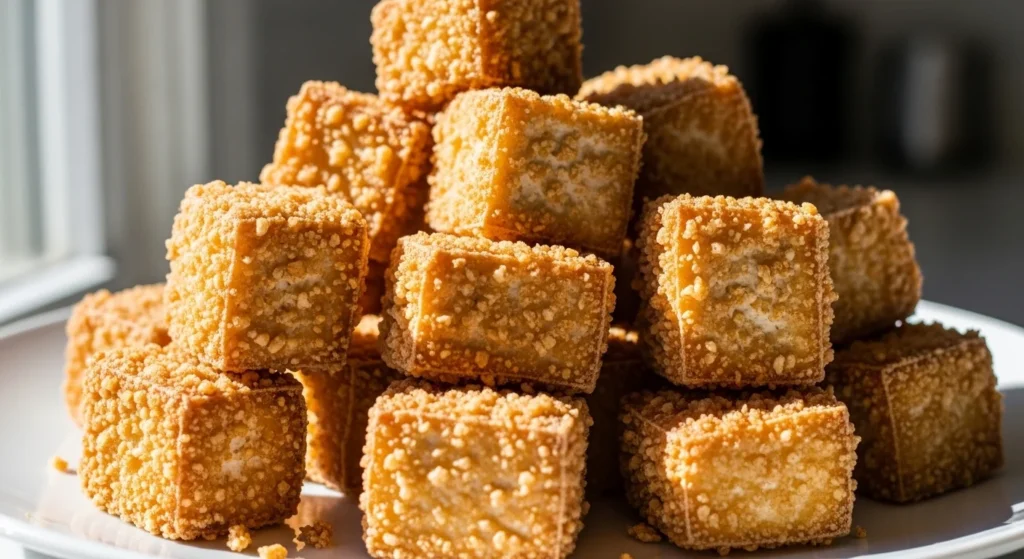
How to Cook Tofu That’s Crunchy and Golden

If your tofu keeps turning out pale, soggy, or rubbery, you’re not alone. Tofu has a reputation problem—but only because it’s often cooked the wrong way. When handled properly, tofu can be deeply crunchy on the outside, tender inside, and beautifully golden, even with minimal oil. This step-by-step guide breaks down the exact techniques that actually work, from moisture control to heat management, so you can finally make tofu that competes with fried chicken—no exaggeration. Step 1: Choose the Right Tofu (Non-Negotiable) Texture starts before cooking. For crispy tofu, always choose: – Extra-firm tofu – Super-firm tofu (even better—no pressing … Read more

Tags:

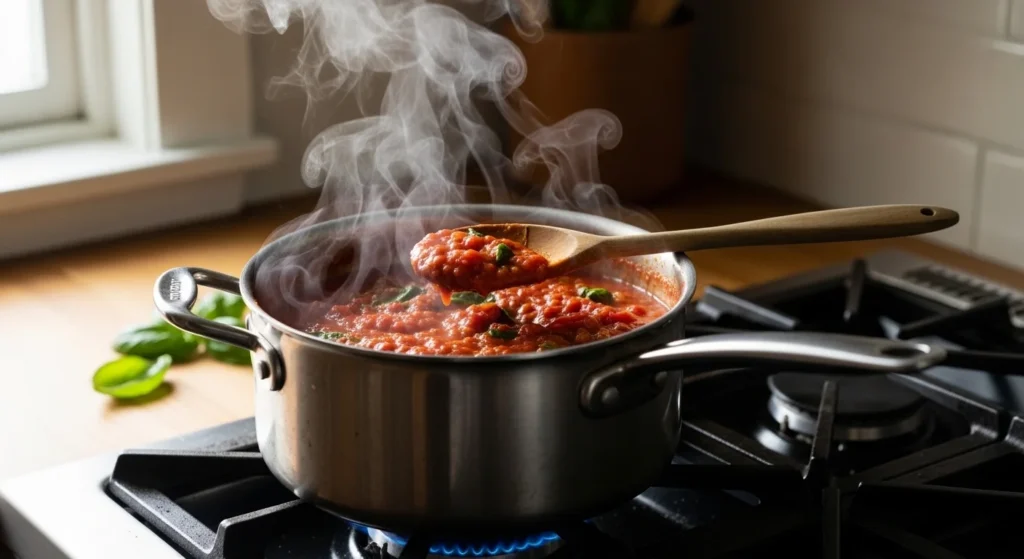
How to Make Rich Tomato Sauce from Scratch

There’s something deeply satisfying about a pot of tomato sauce slowly simmering on the stove—the smell, the color, the promise of comfort food ahead. If you’ve ever wondered why restaurant or Italian nonna–style sauces taste richer, sweeter, and more balanced than homemade versions, the secret isn’t a long ingredient list. It’s technique. This step-by-step guide will walk you through how to make rich tomato sauce from scratch, using simple ingredients, smart timing, and a few chef-approved tricks that prevent watery, acidic, or bland results. Step 1: Start With the Right Tomatoes (This Matters Most) The foundation of a great sauce … Read more

Tags:

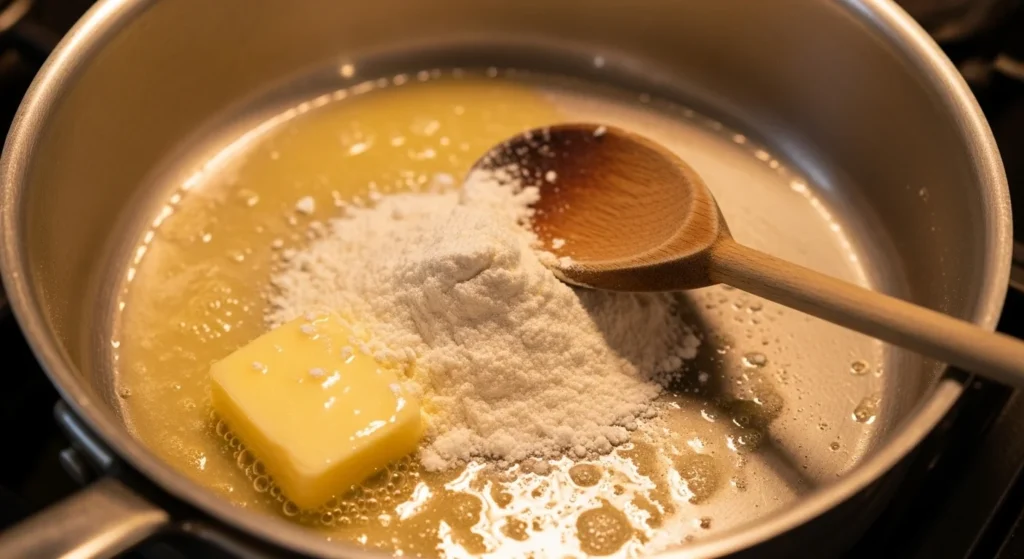
How to Make Roux That Thickens Perfectly

Roux is one of those quiet kitchen skills that separates good cooking from  great  cooking. When it’s done right, sauces turn silky, gravies thicken evenly, and soups feel rich without tasting heavy. When it’s done wrong? Lumpy, greasy, or oddly thin results. The good news is that making a perfect roux isn’t hard—it just requires attention and timing. Once you understand how it works, you’ll be able to thicken almost anything with confidence. What Is Roux and Why Does It Matter? Roux is a cooked mixture of fat and flour, used to thicken sauces, soups, and stews. Common uses include: … Read more

Tags:

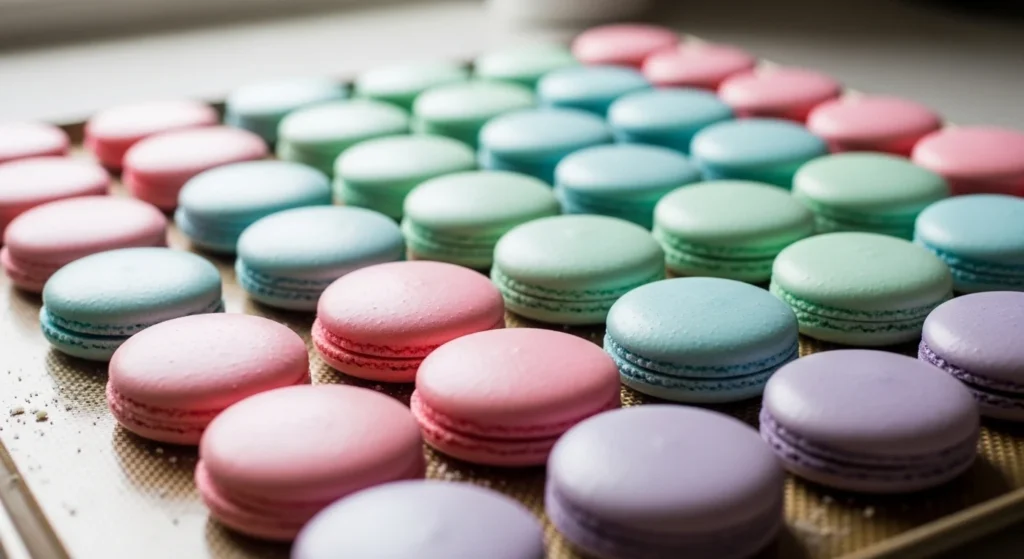
How to Bake Macarons Without Cracking

Macarons are beautiful, delicate, and famously tricky. If you’ve ever pulled a tray from the oven only to see cracked tops, lopsided shells, or hollow centers, you’re not alone. The good news? Cracked macarons aren’t bad luck—they’re usually the result of a few fixable mistakes. With the right technique and a little patience, you can bake smooth, glossy macarons that rise evenly and stay crack-free. Let’s walk through exactly how to do it. Why Do Macarons Crack? Understanding the cause helps prevent the problem. Macarons crack when: – Trapped air expands too quickly   – Shells haven’t formed a proper skin   … Read more

Tags:

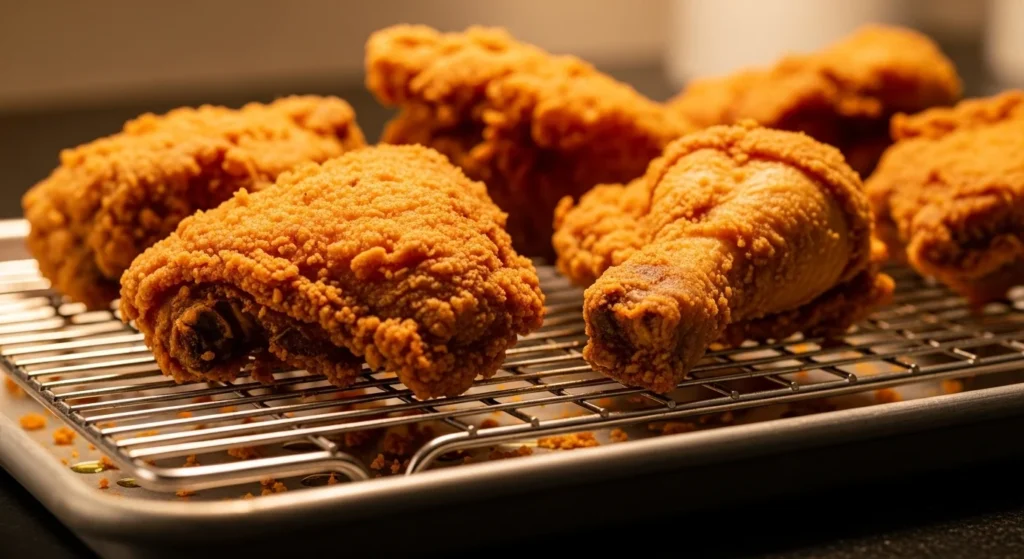
How to Fry Chicken That’s Crispy Outside

Few things are as irresistible as perfectly fried chicken with a crackly, golden crust. You know the kind—crispy enough to hear the crunch, but not greasy or heavy. If your fried chicken turns out soggy, pale, or soft minutes after frying, don’t worry. You’re not alone—and it’s fixable. The secret to crispy fried chicken isn’t just the oil or the seasoning—it’s the  method . From prep to frying temperature, small details make a massive difference. Let’s walk through exactly how to fry chicken that stays crispy on the outside every single time. Choose the Right Chicken Cuts Not all chicken … Read more

Tags:

How to Toast Spices for Stronger Aroma

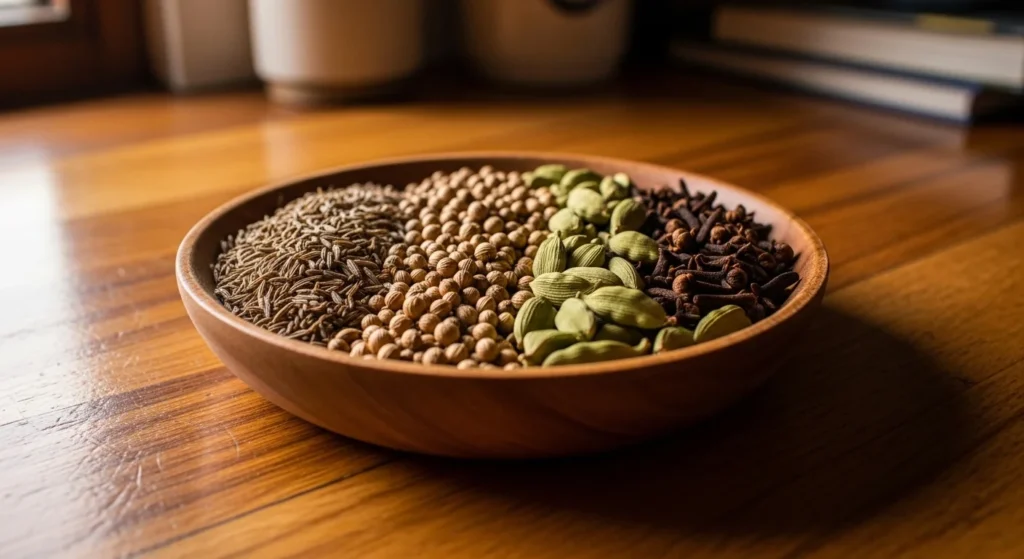
There’s a simple kitchen trick that can instantly make your food smell richer, taste deeper, and feel more “restaurant-level”—and it doesn’t involve fancy ingredients or extra cooking time. It is toasting spices. 🌶️✨   If your dishes sometimes taste flat even when you’ve added all the right spices, the problem might not be  what  you’re using, but  how  you’re using it. Once you learn how to toast spices properly, you’ll unlock their essential oils and intensify their aroma in a way raw spices simply can’t match. Let’s break it down step by step. What Does Toasting Spices Actually Do? Spices are … Read more

Tags:

How to Cook Fish Until Just Flaky

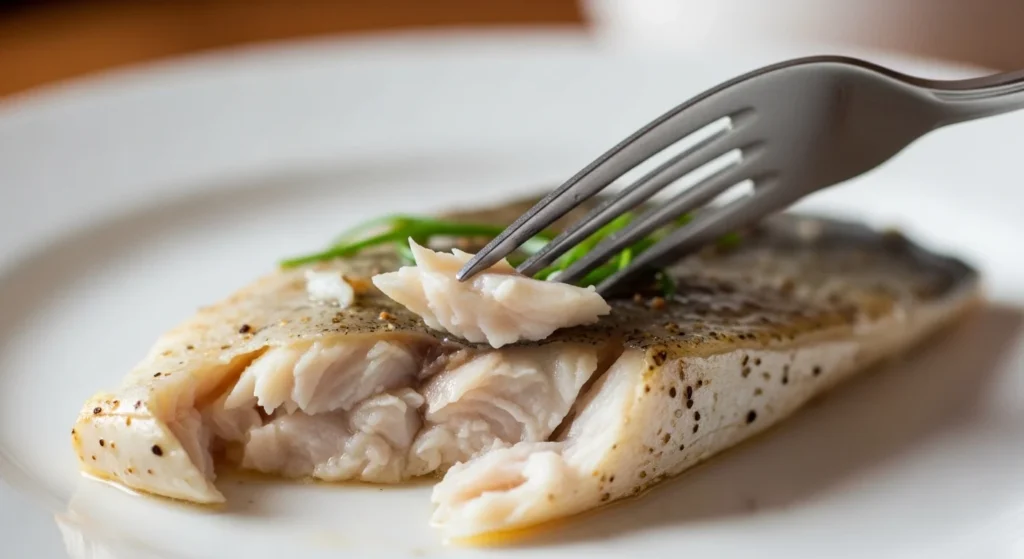
Perfectly cooked fish should be tender, juicy, and gently flake apart with a fork—not dry, rubbery, or falling to pieces. If fish often feels overcooked or bland in your kitchen, the issue usually isn’t the recipe—it’s timing and heat. The good news? Cooking fish until just flaky is a skill you can master quickly once you know what to look for. Let’s break it down so your fish turns out right every time. What “Just Flaky” Actually Means Fish is done when: – It turns opaque   – It separates easily into flakes   – It’s moist inside, not translucent   Overcooking squeezes … Read more

Tags:

How to Whip Cream That Holds Its Shape

There’s nothing more frustrating than whipped cream that looks perfect one moment and melts into a puddle the next. Whether you’re topping cakes, piping cupcakes, or finishing desserts, whipped cream should be light, fluffy—and strong enough to hold its shape. The good news? Stable whipped cream isn’t about luck. It’s about temperature, timing, and knowing when to stop. Let’s walk through how to whip cream that stays fluffy and beautiful every time. Start With the Right Cream Not all cream whips the same. Use: – Heavy cream or heavy whipping cream – At least 35–40% fat Avoid: – Half-and-half   – … Read more

Tags: