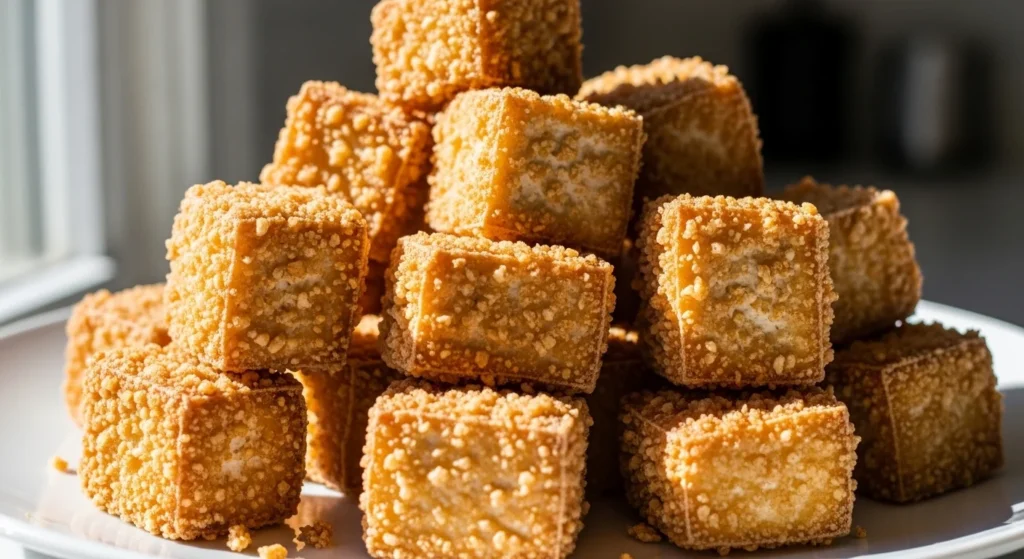
If your tofu keeps turning out pale, soggy, or rubbery, you’re not alone. Tofu has a reputation problem—but only because it’s often cooked the wrong way. When handled properly, tofu can be deeply crunchy on the outside, tender inside, and beautifully golden, even with minimal oil.
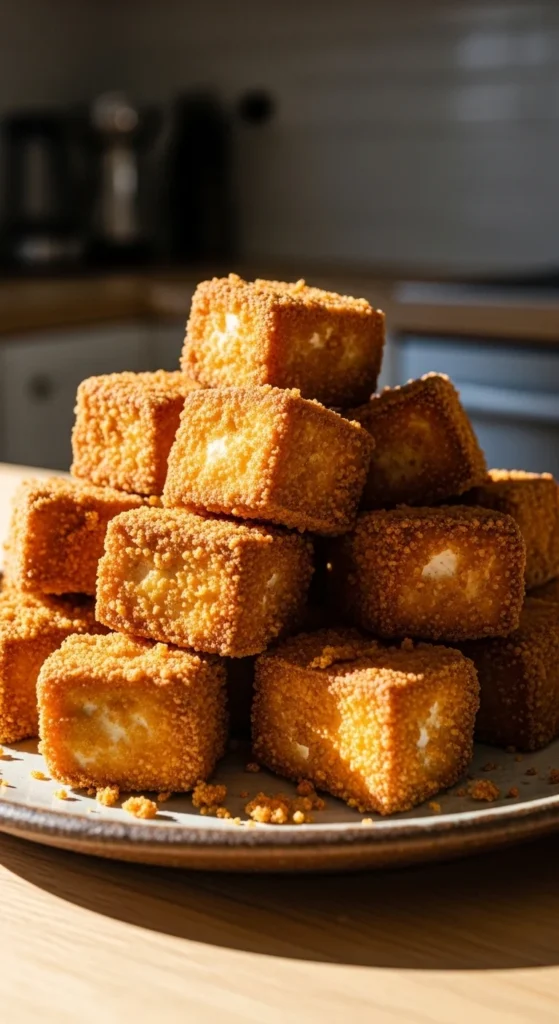
This step-by-step guide breaks down the exact techniques that actually work, from moisture control to heat management, so you can finally make tofu that competes with fried chicken—no exaggeration.
Step 1: Choose the Right Tofu
(Non-Negotiable)
Texture starts before cooking.
For crispy tofu, always choose:
– Extra-firm tofu
– Super-firm tofu (even better—no pressing needed)
Avoid silken or soft tofu completely. Those are meant for blending, soups, or desserts—not crisping.
Quick rule:
If the tofu bends easily in the package, it won’t crisp.
Step 2: Press (or Skip, If You’re Smart About It)
Water is the enemy of crispness. Removing excess moisture creates space for browning.
Pressing timeline cheatsheet
– Extra-firm tofu: 15–30 minutes
– Super-firm tofu: skip pressing entirely
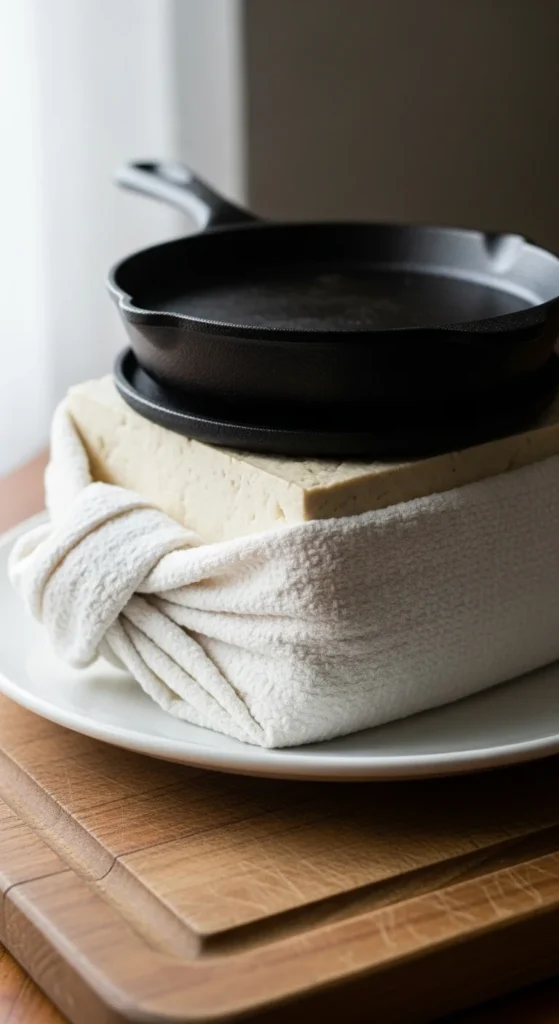
How to press without fancy tools:
– Wrap tofu in a clean kitchen towel
– Place a plate on top
– Add a heavy pan or book
For maximum crunch, pat the surface dry again right before cooking.
Step 3: Tear, Don’t Cube
(Yes, It Makes a Difference)
Instead of cutting tofu into perfect cubes, tear it into irregular chunks with your hands.
Why this works:
– Jagged edges = more surface area
– More surface area = more crunch
– Sauce clings better later
Optional but powerful upgrade:
After tearing, boil tofu in salted water for 5 minutes, then drain and dry thoroughly. This firms the proteins and seasons the inside—especially useful if tofu always tastes bland to you.
Step 4: Coat With Starch for a Crackly Crust
This is where the magic happens.
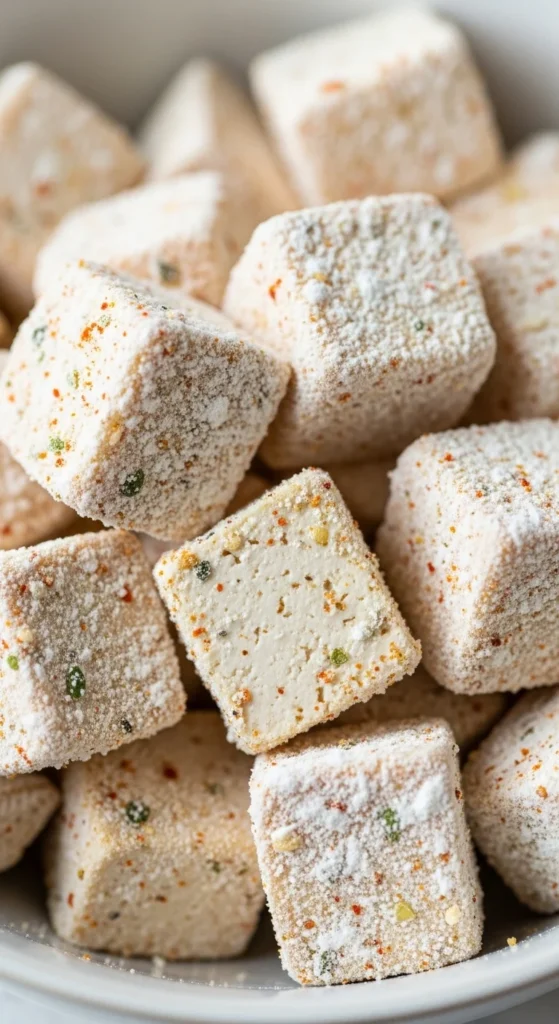
Toss dry tofu pieces with:
– Cornstarch (classic, reliable)
– Potato starch (even crispier, lighter shell)
Add seasoning directly to the starch:
– Salt
– Garlic powder
– Paprika or chili powder
Why starch works: it absorbs surface moisture and creates a dry layer that browns aggressively under heat.
Step 5: Use High Heat—and Respect It
Whether pan-frying, air-frying, or baking, heat control decides everything.
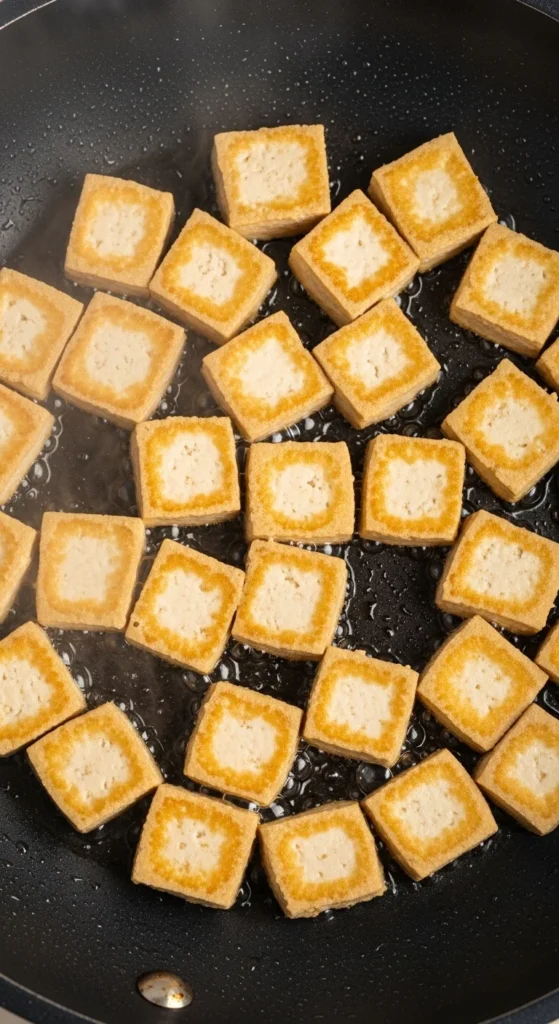
Pan-Fry Method (Most Crunch)
– Heat oil until shimmering
– Add tofu in a single layer
– Do not overcrowd
– Cook 2–4 minutes per side
Do not move the tofu too soon. Let the crust form naturally before flipping.
Air Fryer Shortcut (Low-Oil)
– 400°F (200°C)
– 12–16 minutes total
– Shake halfway through
This method delivers even browning with minimal oil and zero splatter.
Step 6: Don’t Sauce Too Early (This Is Where Most People Fail)
If you marinate tofu before cooking, you trap moisture—and moisture kills crispness.
Correct order:
1. Cook tofu until golden and crunchy
2. Remove from heat
3. Toss with sauce or glaze
This keeps the exterior crisp while letting flavor coat the surface instead of soaking in.
If serving with saucy dishes, add tofu at the very end.
Step 7: Optional Hybrid Method for Ultra-Dry Crunch
For extra insurance against sogginess:
1. Sear tofu on the stovetop
2. Transfer pan to a 400°F oven
3. Bake 8–10 minutes
This dries the surface further and locks in crunch—great for meal prep.
Common Mistakes to Avoid
If your tofu isn’t crisp, it’s usually one of these:
– Skipping pressing
– Using low heat
– Overcrowding the pan
– Moving tofu too soon
– Adding sauce before cooking
Fix these five, and tofu becomes foolproof.
Final Takeaway
Crunchy, golden tofu isn’t about luck—it’s about moisture control, starch, and patience. Tear it, dry it, coat it, cook it hot, and sauce it last.
Once you master this method, tofu becomes one of the most versatile, satisfying proteins in your kitchen.
Save this guide, try it once, and soggy tofu will officially be a thing of the past ✨