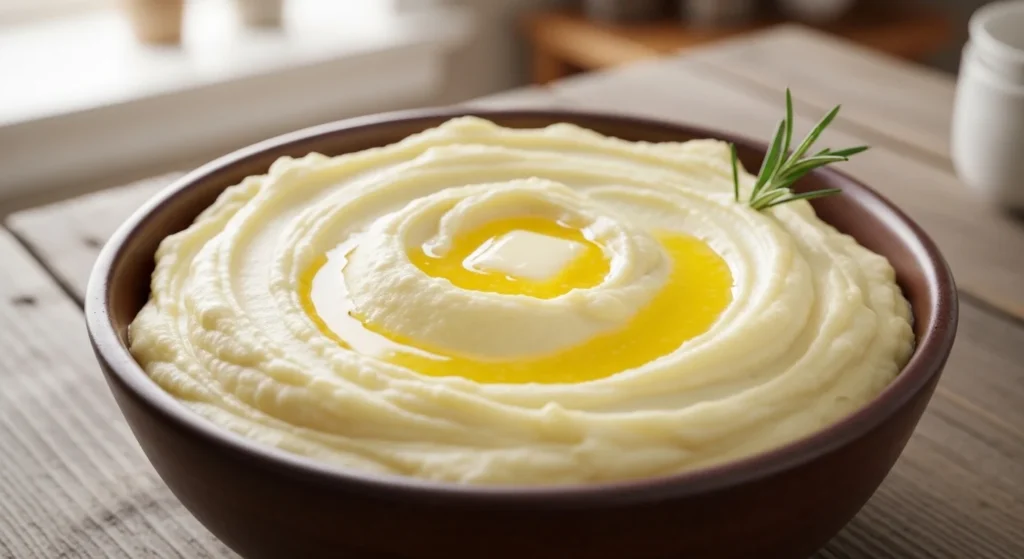
Few side dishes spark as much comfort and nostalgia as a bowl of mashed potatoes. But let’s be honest—there’s a big difference between okay mashed potatoes and the kind that are luxuriously smooth, creamy, and restaurant-worthy. If you’ve ever ended up with gluey, lumpy, or bland mash, you’re not alone.
The good news? Perfect mashed potatoes aren’t about fancy tricks—they’re about the right choices at each step.
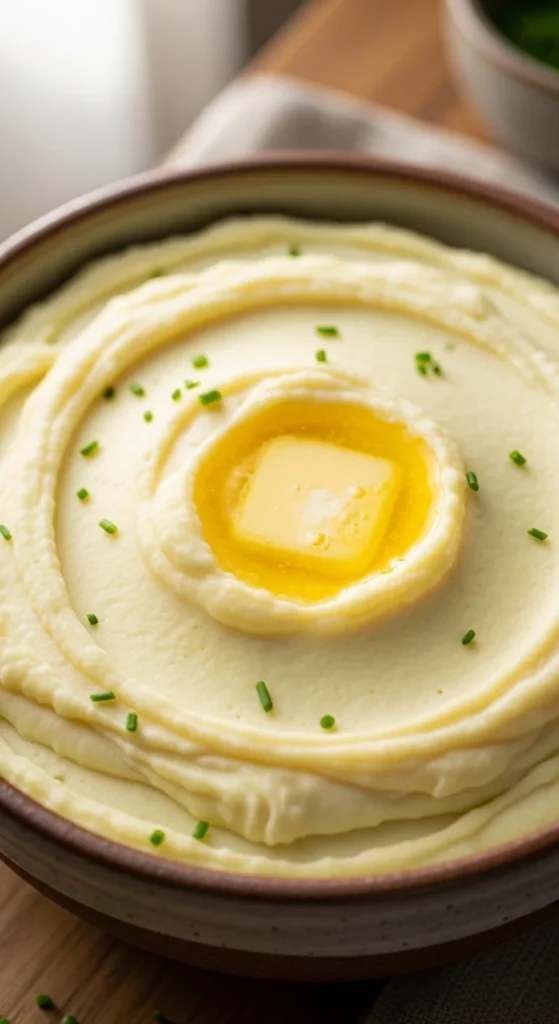
Let’s break down exactly how to make mashed potatoes smooth and velvety every single time.
Choose the Right Potatoes (This Matters More Than You Think)
Not all potatoes are created equal, and using the wrong type is one of the most common reasons mashed potatoes fall flat.
Best potatoes for creamy mash:
- Yukon Gold – Naturally buttery, creamy texture, and golden color
- Russet potatoes – High starch, fluffy interior, classic mashed potato choice
Avoid waxy potatoes like red potatoes or fingerlings—they hold their shape well but don’t mash smoothly.
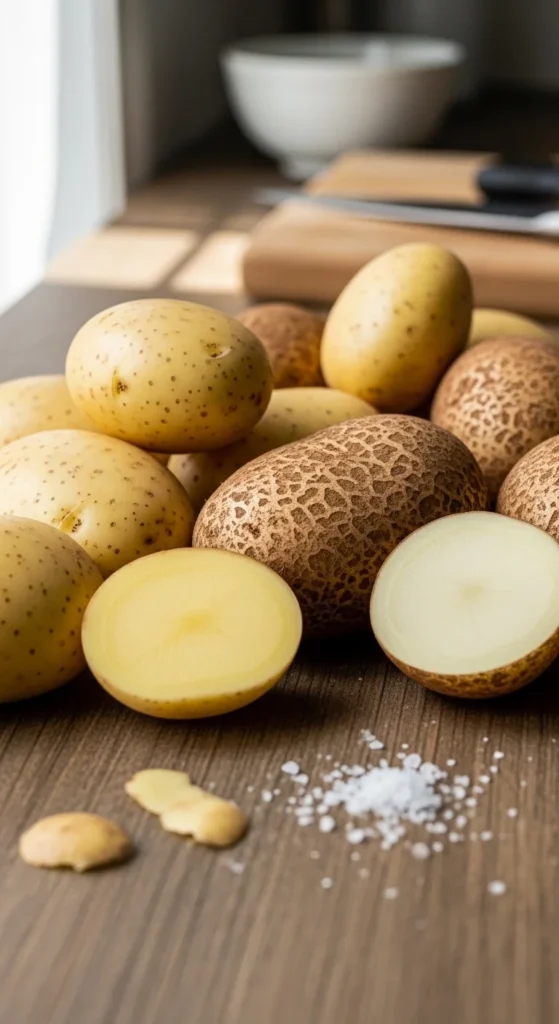
Pro tip: Yukon Golds are ideal if you want rich, smooth potatoes without excessive butter or cream.
Cook Potatoes the Right Way
How you cook your potatoes directly affects their texture.
Follow these steps:
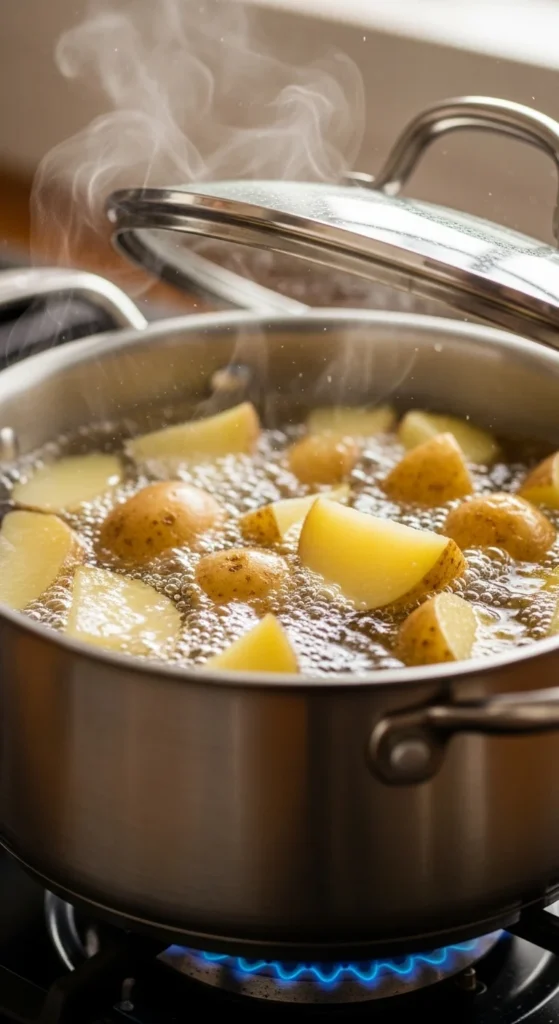
- Peel (or leave skins on if you prefer rustic mash) and cut potatoes into even-sized chunks
- Place them in cold, salted water (never boiling)
- Bring to a gentle boil, then reduce to a simmer
Starting in cold water helps potatoes cook evenly, preventing the outside from turning mushy while the inside stays firm.
Cook until a fork slides in easily—no resistance, no crumbling apart.
Drain Thoroughly and Dry the Potatoes
This step is small but powerful.
After draining, return the potatoes to the hot pot and place it back on low heat for 30–60 seconds. Gently shake the pot to let excess moisture evaporate.
Why this matters:
- Too much water = watery, bland mash
- Dry potatoes absorb butter and cream beautifully
Dry potatoes are the secret to intense flavor and velvety texture.
Mash Gently (Never Use a Blender)
The tool you choose can make or break your mashed potatoes.
Best tools:
- Potato masher
- Potato ricer
- Food mill
Tools to avoid:
- Blender
- Food processor
- Hand mixer (unless extremely careful)
Overworking potatoes releases too much starch, creating a gluey, sticky texture.
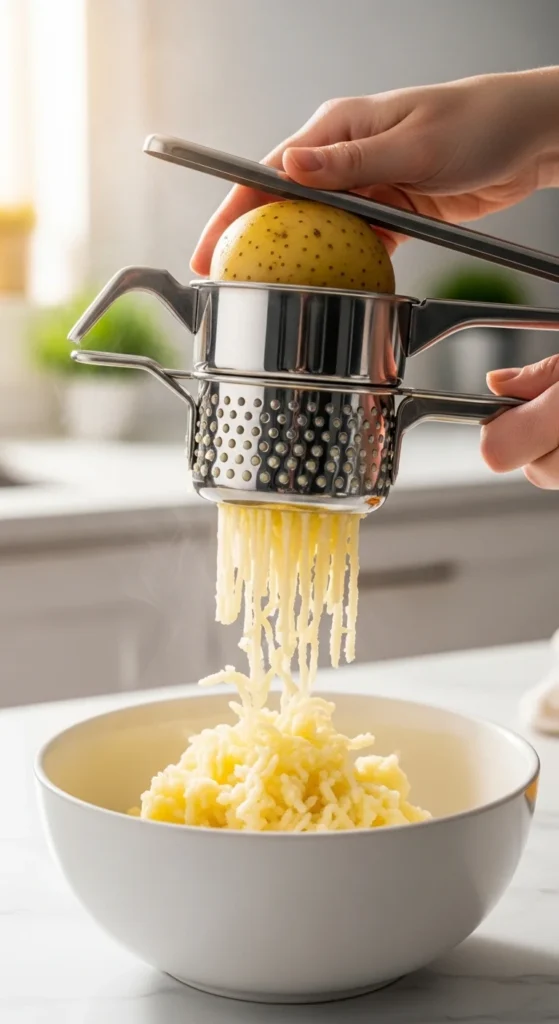
Rule of thumb: Mash just until smooth—stop as soon as lumps are gone.
Warm Your Butter and Dairy First
Cold ingredients can shock your potatoes and make them stiff or grainy.
Before adding anything:
- Warm butter
- Heat milk or cream gently (never boil)
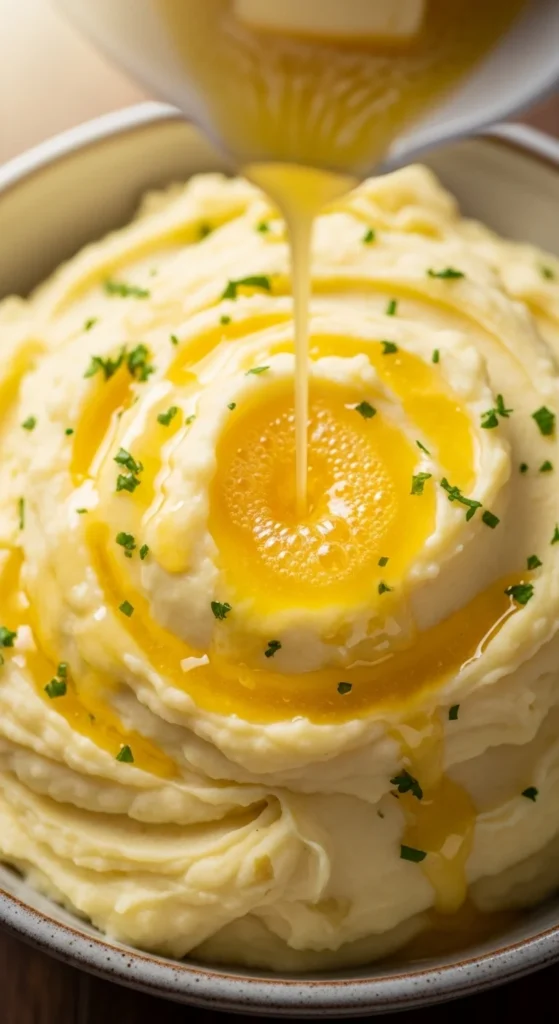
Start with butter, then add dairy slowly until you reach your ideal consistency.
Classic creamy ratio:
- ½ cup warm milk or cream per 2 pounds of potatoes
- 4–6 tablespoons butter (or more if you’re feeling indulgent)
Season Properly (Salt Is Not Optional)
Mashed potatoes need more seasoning than you think.
Flavor boosters:
- Salt (taste as you go)
- White or black pepper
- Roasted garlic
- Cream cheese or sour cream
- A splash of olive oil for silkiness
Season in layers:
- Salt the water
- Salt after mashing
- Taste and adjust at the end
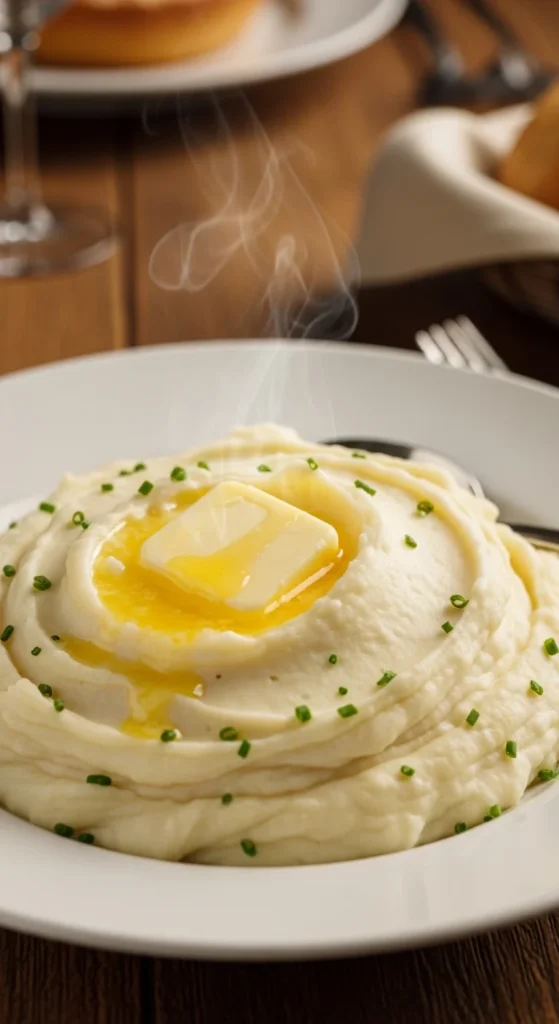
Finish for That Velvety, Restaurant-Style Look
For extra smooth, glossy mashed potatoes:
- Fold gently with a spatula instead of stirring vigorously
- Add a final knob of butter on top
- Smooth the surface with the back of a spoon
Final Takeaway
Smooth, velvety mashed potatoes aren’t about luck—they’re about thoughtful steps, gentle handling, and warm ingredients. Choose the right potatoes, avoid overmixing, and don’t rush the process.
Once you master these basics, you’ll never settle for lumpy mash again.
👉 Save this guide for your next dinner or holiday meal—you’ll thank yourself later!