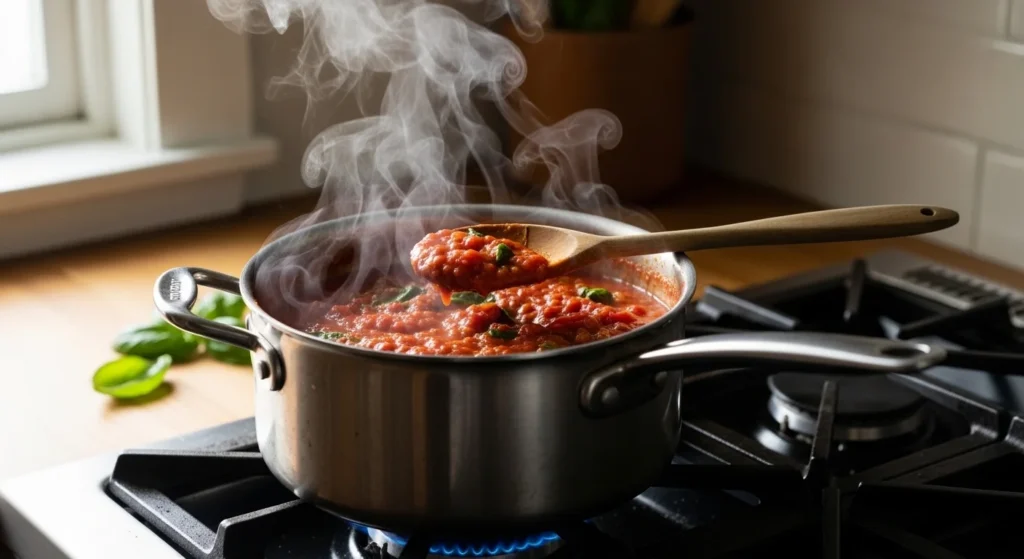
There’s something deeply satisfying about a pot of tomato sauce slowly simmering on the stove—the smell, the color, the promise of comfort food ahead. If you’ve ever wondered why restaurant or Italian nonna–style sauces taste richer, sweeter, and more balanced than homemade versions, the secret isn’t a long ingredient list. It’s technique.
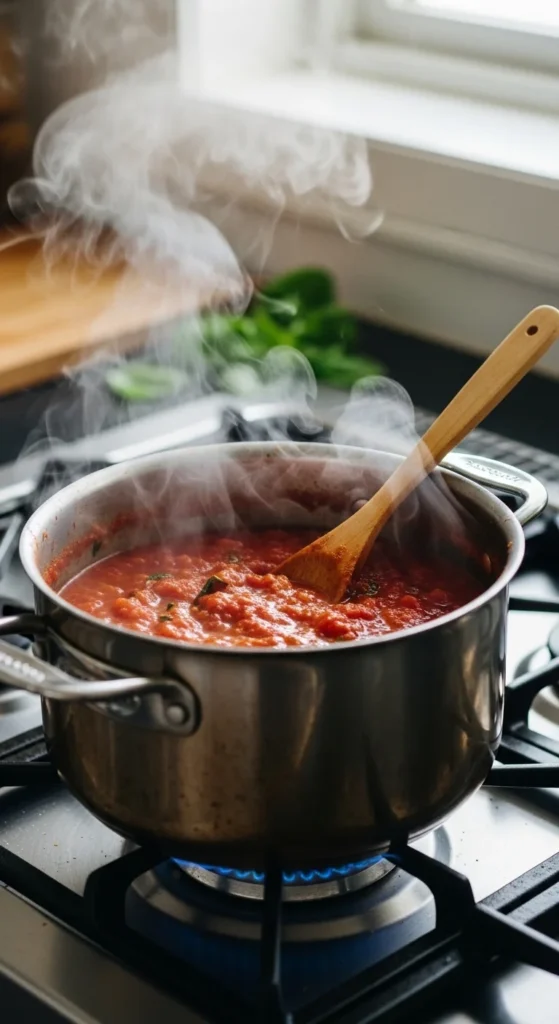
This step-by-step guide will walk you through how to make rich tomato sauce from scratch, using simple ingredients, smart timing, and a few chef-approved tricks that prevent watery, acidic, or bland results.
Step 1: Start With the Right Tomatoes (This Matters Most)
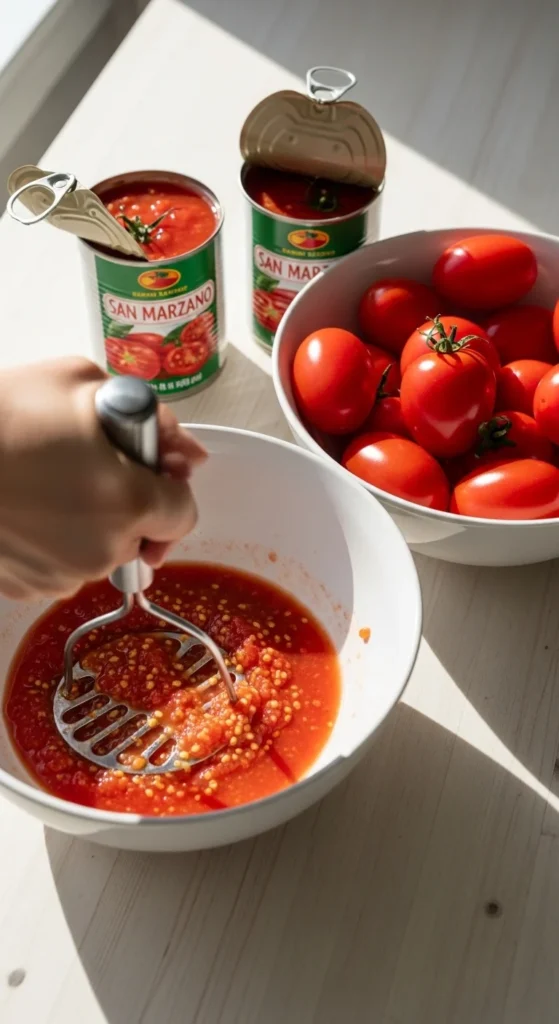
The foundation of a great sauce is the tomato itself. For most of the year, canned tomatoes outperform fresh in flavor and consistency.
Why San Marzano tomatoes win
– Naturally sweeter and less acidic
– Thick flesh with fewer seeds
– Consistent quality year-round
Look for DOP-certified San Marzano tomatoes, which guarantees they’re grown and packed in Italy under strict standards. Generic canned tomatoes can work, but they often need more fixing later.
If tomatoes are in peak summer season, a shortcut is to grate fresh tomatoes on a box grater—skins stay behind, no peeling required.
Step 2: Build Flavor Gently With Olive Oil and Garlic
Great tomato sauce begins quietly.
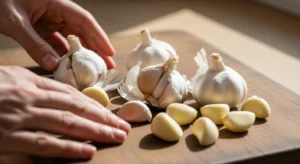
Heat extra-virgin olive oil over low heat in a stainless steel pot (avoid aluminum, which can react with tomato acid). Add sliced or lightly crushed garlic.
The 30-second garlic rule
– Stir constantly
– Stop as soon as garlic turns fragrant
– Do not let it brown—browned garlic = bitterness
Classic garlic-forward sauces skip onions entirely to keep the tomato flavor pure. If you want a softer base, a small shallot works better than a full onion.
Step 3: Add Tomatoes and Simmer Low and Slow
Once the garlic is fragrant, add your tomatoes and a pinch of salt. Gently break them up with a spoon.
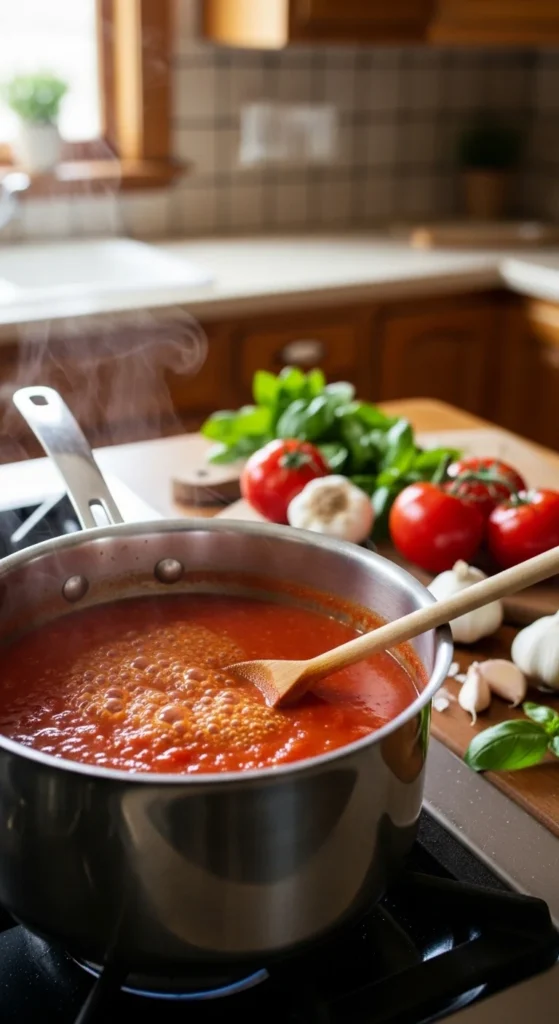
Now comes the most important part: the simmer.
– Keep the pot uncovered
– Heat should be low, with occasional bubbles
– Stir every 15–20 minutes
Simmer timing guide
– Quick fresh sauce: 30–45 minutes
– Deep, rich sauce: 3–6 hours
Long, slow cooking develops sweetness naturally and thickens the sauce without starch or cream.
Step 4: Boost Depth Without Overloading Ingredients
Rich doesn’t mean complicated. A few smart additions go a long way.
Flavor boosters (use sparingly):
– 1–2 tablespoons sun-dried tomato paste for umami
– A Parmesan rind dropped into the pot while simmering
– A small carrot added whole to absorb acidity
Avoid dumping in sugar early. If needed, a pinch at the end is better than oversweetening.
Taste periodically as the sauce cooks—seasoning should happen in layers, not all at once.
Step 5: Add Herbs at the Right Time
Herbs are delicate, and timing matters.
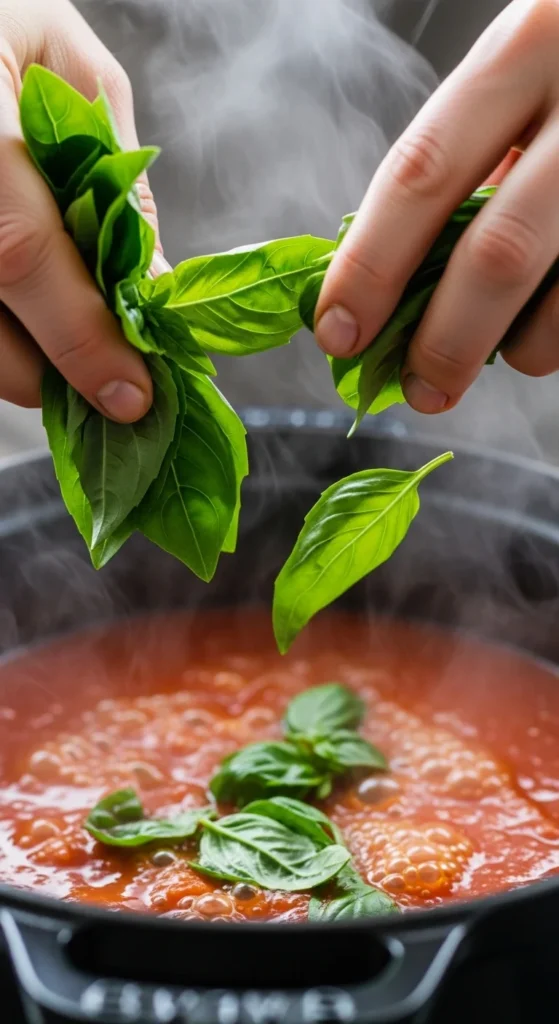
– Fresh basil & oregano: add in the final 5 minutes
– Dried herbs: can go in earlier, but keep quantities small
Adding fresh herbs too early dulls their aroma and turns them bitter instead of bright.
Step 6: Adjust Texture and Thickness
If your sauce looks thin, don’t panic.
Fix watery sauce by:
– Simmering longer, uncovered
– Stirring less (lets water evaporate)
– Adding a spoon of tomato paste
For smooth sauce, use an immersion blender briefly. For rustic sauce, leave it chunky—both are correct.
Step 7: Finish, Store, and Use Like a Pro
Once the sauce tastes balanced—rich, slightly sweet, and savory—remove any carrot or Parmesan rind.
Your sauce is now ready for:
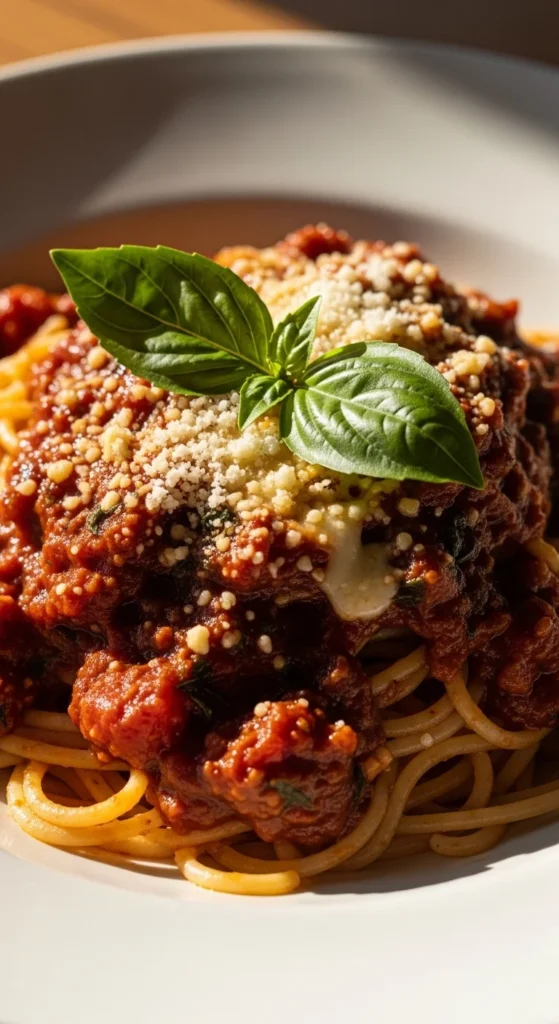
– Pasta
– Lasagna
– Pizza
– Shakshuka
– Freezing in portions (keeps up to 3 months)
Final Takeaway
The best tomato sauce isn’t about fancy ingredients—it’s about patience, restraint, and good tomatoes. Start with quality canned tomatoes, cook gently, season thoughtfully, and let time do the work.
Save this recipe for later, batch-cook on weekends, and enjoy rich, homemade tomato sauce anytime 🍅✨