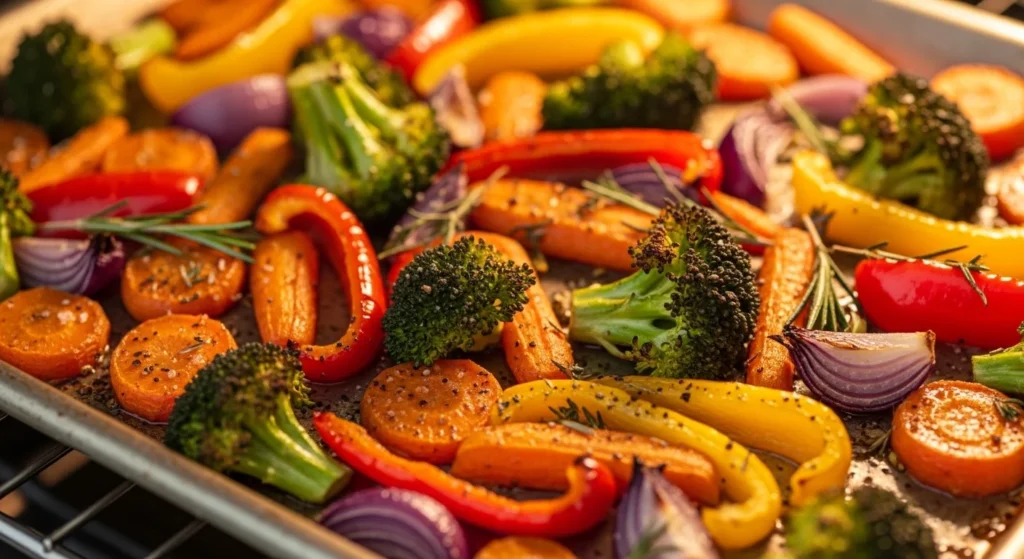
Roasted vegetables should be deeply golden, lightly crisp on the edges, and bursting with flavor—not pale, watery, or limp. If yours keep turning out soggy, don’t worry. It’s not your oven, and it’s definitely fixable.
With the right prep, spacing, and roasting temperature, you can turn almost any vegetable into a caramelized, sheet-pan masterpiece.
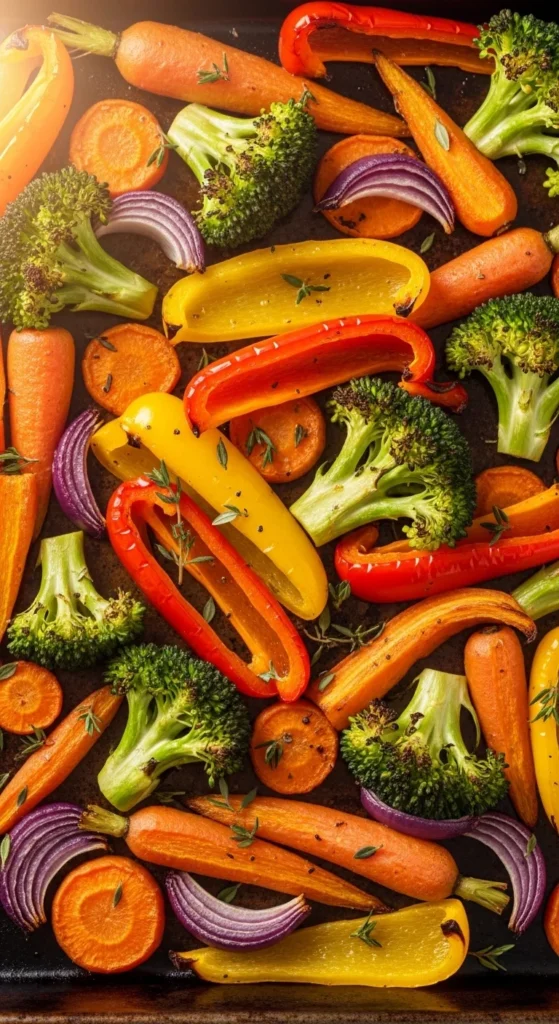
Let’s break down how to roast vegetables the right way.
Start by Drying Your Vegetables Thoroughly
Moisture is the enemy of crispness. If vegetables go into the oven wet, they’ll steam instead of roast.
What to do:
- Wash vegetables ahead of time
- Dry completely with a clean towel or paper towels
- Let them air-dry for a few minutes if possible
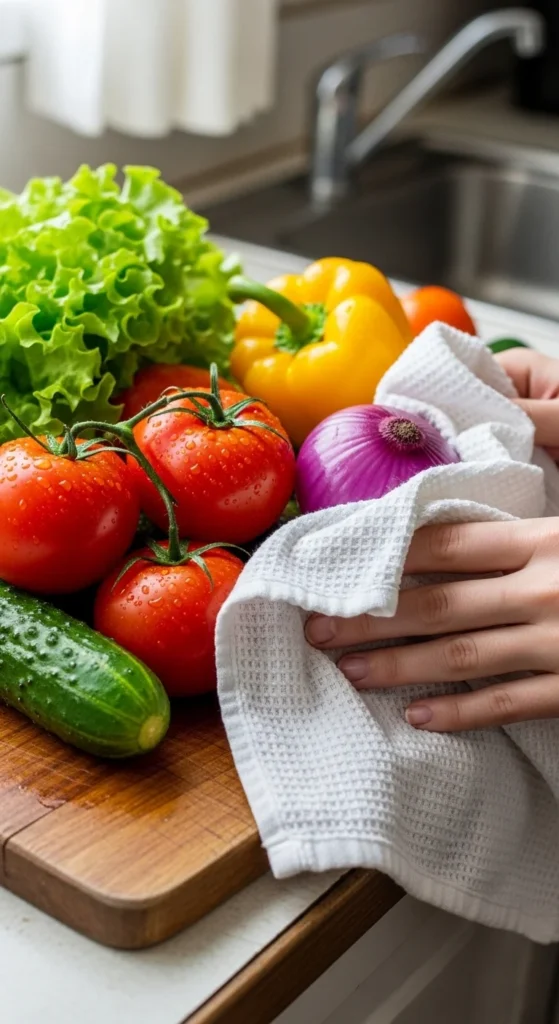
This single step alone can dramatically improve browning.
Cut Vegetables the Right Size
Uneven cuts lead to uneven roasting. Some pieces burn while others stay soft and soggy.
For best results:
- Cut vegetables into uniform sizes
- Keep pieces not too small (they’ll burn)
- Avoid huge chunks that trap steam
Good roasting sizes:
- Broccoli: large florets
- Carrots: thick coins or spears
- Potatoes: 1–1½ inch chunks
Use Enough Oil (But Not Too Much)
Oil helps transfer heat and encourages caramelization—but too much oil can make vegetables greasy and soft.
The sweet spot:
- 1–2 tablespoons oil per large sheet pan
- Toss until vegetables are lightly coated, not swimming
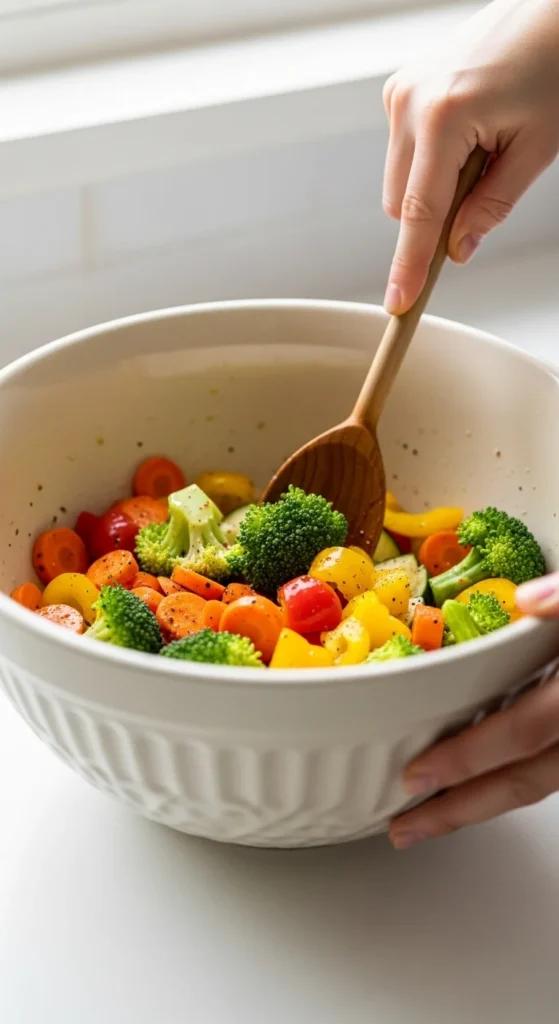
Olive oil works great, but avocado oil is excellent for high heat too.
Don’t Crowd the Pan
This is one of the most common roasting mistakes.
When vegetables are piled too close together:
- Steam gets trapped
- Browning can’t happen
- Texture turns mushy
Fix it by:
- Using two pans instead of one
- Spreading vegetables in a single layer
- Leaving space between pieces
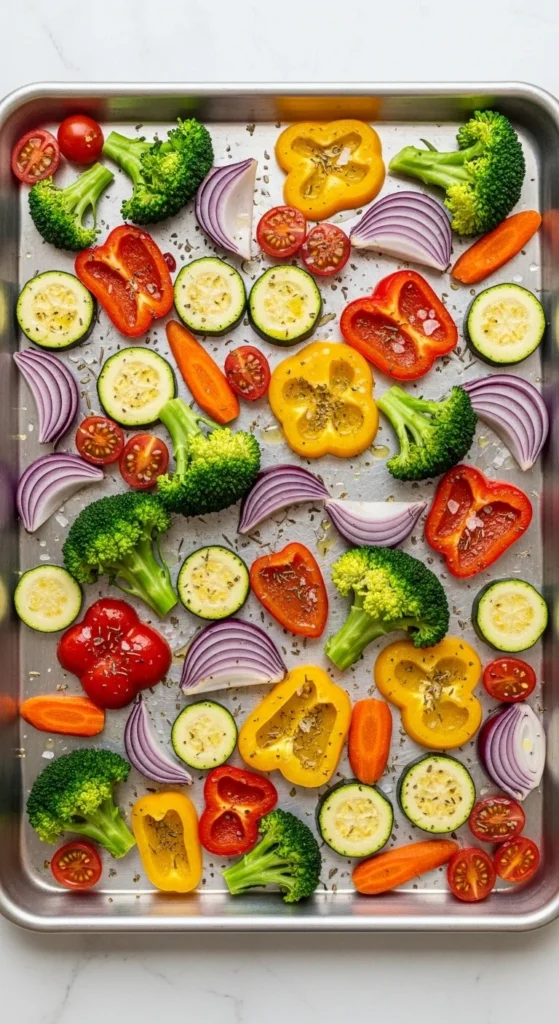
Airflow = crispy edges.
Roast Hot and Fast
Low temperatures lead to slow cooking and soggy results. High heat is essential for that golden finish.
Ideal roasting temperature:
- 425°F (220°C) for most vegetables
- Up to 450°F (230°C) for dense veggies like potatoes
Place the pan on the middle or upper rack for better browning.
Season at the Right Time
Salt pulls moisture out of vegetables. That’s good—but timing matters.
Best seasoning strategy:
- Toss with oil first
- Add salt and spices right before roasting
- Finish with flaky salt or herbs after roasting
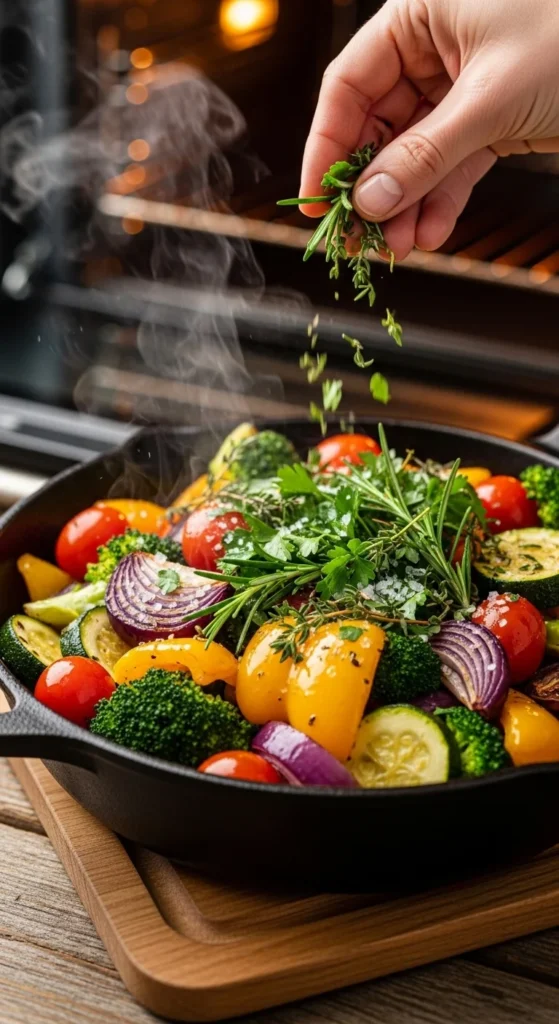
This keeps flavors bold without creating excess moisture.
Flip Once—Then Leave Them Alone
Constant stirring prevents browning.
- Roast vegetables undisturbed for 15–20 minutes
- Flip once
- Return to oven until deeply golden
That contact with the hot pan is where the magic happens.
Final Takeaway
Golden, crispy roasted vegetables aren’t complicated—you just need less moisture, more space, and higher heat. Dry them well, don’t crowd the pan, and let the oven do the work.
Once you master these basics, roasted vegetables will become your go-to side dish for everything.
Save this guide for later, and say goodbye to soggy veggies for good 🥕🥦